
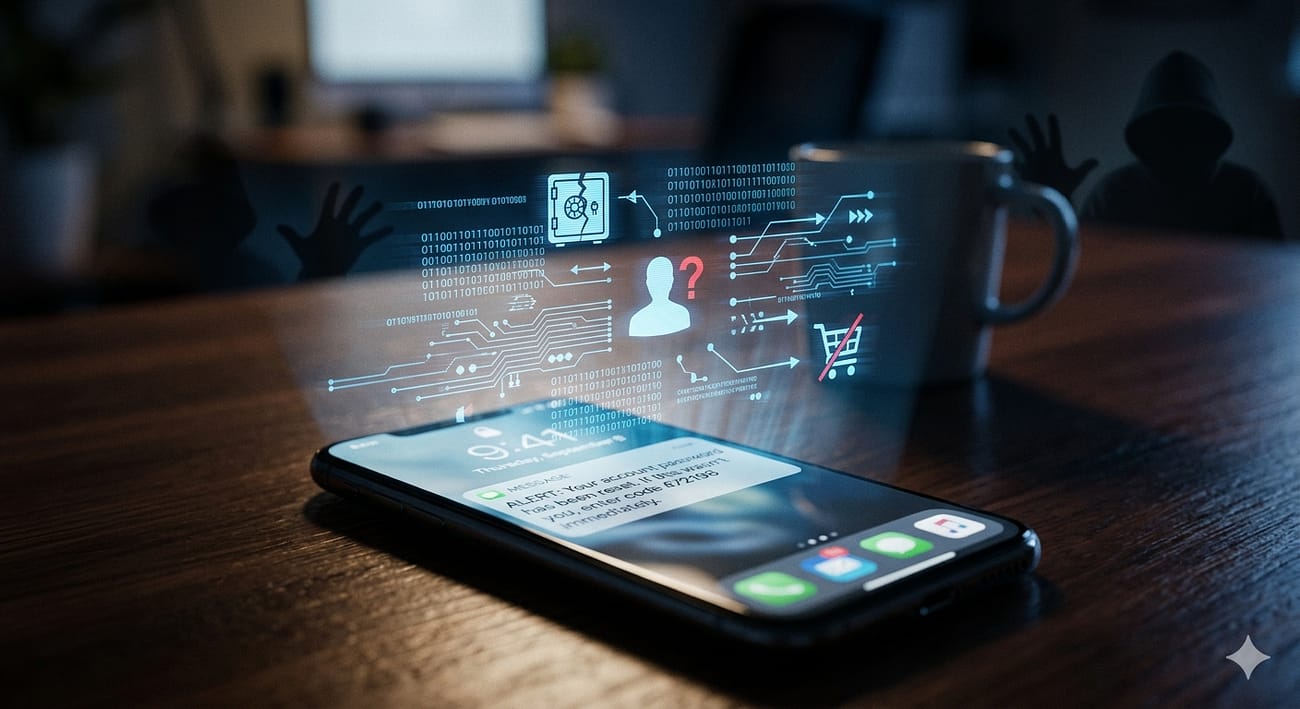
What Hackers Can Do With Your Phone Number
Your phone number seems innocuous enough, a simple string of digits used for calls and texts. However, in the digital age, this seemingly basic piece of information is a valuable key that hackers can exploit to unlock a surprising amount of your personal life, finances, and identity. It’s often the central point linking various online accounts, and its compromise can lead to significant headaches.
Identity Theft and Account Takeovers
-
SIM Swapping: This is one of the most dangerous attacks. Hackers trick your mobile carrier into transferring your phone number to a SIM card they control. Once they have control, they can receive all your calls and texts, including those crucial two-factor authentication (2FA) codes or password reset links from your banks, email, social media, and cryptocurrency accounts. This effectively gives them a master key to your digital life.
-
Bypassing Two-Factor Authentication: Many services still rely on SMS-based 2FA. With your phone number, a hacker can intercept these codes, bypassing a critical layer of security and gaining access to your accounts even if they don’t know your password initially.
-
Password Resets: If an attacker knows your email address and has your phone number, they can often initiate password resets on various platforms. Many “Forgot Password” options offer to send a reset link or code via SMS, which they would then receive.
Phishing and Smishing Attacks
-
Targeted Scams: Knowing your phone number allows hackers to send highly personalized phishing (email) or smishing (SMS) messages. These messages might impersonate your bank, service providers, or even friends and family, making them more convincing and increasing the likelihood you’ll fall for the scam.
-
Malware Distribution: They can send links to malicious websites or encourage you to download apps infected with malware, spyware, or ransomware directly to your phone. These can then steal your data, track your activity, or even lock you out of your device.
-
Credential Harvesting: Through fake login pages linked in SMS messages, they can trick you into entering your usernames and passwords for various services, directly harvesting your credentials.
Doxing and Harassment
-
Linking to Personal Information: Your phone number is often the missing puzzle piece that allows attackers to link seemingly disparate pieces of information about you – your name, address, family members, social media profiles, and even professional details – creating a comprehensive profile for doxing.
-
Public Exposure and Stalking: Once doxxed, your information, including your phone number, can be publicly exposed, leading to unwanted calls, texts, and even physical harassment or stalking in severe cases.
Spam, Robocalls, and Unwanted Marketing
-
Data Selling: Your number can be sold to telemarketers, spammers, and shady data brokers, leading to an onslaught of unwanted calls, texts, and automated messages promoting scams, fake services, or predatory offers.
-
Financial Nuisance: While not direct fraud, the constant interruption and need to screen calls can be a significant daily inconvenience.
Financial Fraud
-
Access to Banking: Combined with other leaked information (like your email or name), a phone number can be used to attempt to gain access to online banking accounts, transfer funds, or make unauthorized purchases. SIM swapping is particularly potent for this.
-
Credit Card Exploitation: If your phone number is linked to credit card accounts or mobile payment apps, it can be a gateway for fraudsters to make unauthorized transactions.
How to Protect Your Phone Number
Given the risks, it’s crucial to safeguard your phone number:
-
Enable Strong 2FA: Opt for app-based authenticator apps (like Google Authenticator, Authy) or hardware security keys instead of SMS-based 2FA wherever possible.
-
Use a PIN with Your Carrier: Set up a strong PIN or password with your mobile carrier to prevent unauthorized SIM swaps.
-
Be Wary of Unsolicited Messages: Never click on suspicious links in texts or emails, and verify requests for personal information through official channels.
-
Consider a Secondary Number: Use a burner or virtual phone number for online sign-ups that aren’t critical to your identity.
-
Regularly Review Account Activity: Keep an eye on your bank statements, credit reports, and online account activity for anything suspicious.
Your phone number is more than just a way to connect; it’s a critical piece of your digital identity. Understanding its value to hackers is the first step in taking proactive measures to protect yourself from these evolving threats.
